What Paint Colors Make a Room Feel Calm?
Creating a calm, inviting space in your home often starts with the paint on the walls. But before we dive into specific soft neutral colors that foster a relaxed atmosphere, let me take you through the usual walkthrough I do in any room aiming for serenity.
Starting Point: Assessing the Room's Lighting and Layout
Natural light plays a huge role in how paint colors look once applied. Rooms flooded with sunlight can handle cooler tones like light grays and pale blues, while spaces with minimal daylight often benefit from warmer creams and soft beiges. I've seen many homeowners rush to buy paint without testing how it appears in their unique lighting—especially at night, under artificial lighting from ceiling lights and table lamps. This layered lighting approach is essential to truly understand color behavior and mood.
In addition to lighting, furniture placement is critical. Before painting, I advise homeowners to optimize for traffic flow. Sometimes simply rearranging furniture to create open pathways can reduce visual clutter and boost the room’s feeling of calm, without even touching the paint can. This aligns with my pet peeve: telling people to buy new furniture when rearranging suffices.
Layered Lighting and Natural Light: Why These Matter to Color Choice
When considering calming paint colors, lighting is your best friend—and sometimes your trickster. Natural light changes all day, shifting the way hues and undertones appear. Complement this with ceiling lights for general illumination and table lamps for cozy, targeted pools of light to soften harsh shadows.
Lighting Type Effect on Color Tips for Testing Natural Light (Day) Reveals true color; cooler or warmer tones may pop Test paint samples during morning, noon, and afternoon Ceiling Light (Artificial) Casts broad light; may wash out colors or add glare Test paint at night with overhead light on Table Lamps (Artificial) Creates warm, cozy ambiance; softens color edges Use lamps to test how color feels during relaxation zonesSoft Neutral Colors That Promote a Relaxed Atmosphere
Soft neutral colors act as a blank canvas for calm and comfort. They allow other design elements and calming touches—like a neat stack of Joy Organics CBD gummies collection (offering both THC-free and full-spectrum options)—to stand out without overwhelming the senses.
- Warm beige: Think sandy beaches and gentle sunlight. This color has subtle yellow or peach undertones that warm up a space and make you feel cozy without heaviness.
- Pale gray: A cool, soothing backdrop that pairs beautifully with soft whites and muted blues. It’s modern yet timeless and won’t clash with decor.
- Soft sage green: Evokes nature and tranquility, perfect for spaces where you want to breathe and unwind.
- Muted blush or dusty rose: Adds softness and warmth without being too feminine or intense.
- Creamy white: Keeps things bright and clean but more forgiving and gentle than stark white.
Consistent Color Palette: The Secret To Long-Lasting Calm
Color consistency ties a room together, preventing the visual confusion that can disrupt calm. For example, if you choose warm beige for your walls, work that undertone into your upholstery, curtains, rugs, and accent pieces to create a harmonious flow. This consistent color palette is what transforms a room from “painted” to “planned.”
When blending textures and layers, don’t forget lighting plays a role in how this palette feels. A room dressed in soft beige walls and cream accents can feel stark or cozy depending on whether the ceiling light is too bright or table lamps are arranged strategically.
Practical Tip:
Keep a running list of where stuff piles up in your home, like magazines or remote controls, and assign those to organized spots with containers or trays matching your palette. This reduces clutter’s visual noise and bolsters that relaxed atmosphere.
Small Relaxation Zones: Pairing Paint With Purposeful Spaces
Designating a cozy nook or corner where you can pause is essential when aiming for tranquility. This space should enhance your chosen paint color’s tranquility. Using a soft green or blush tone here, coupled with warm lighting from a nearby table lamp, fosters an intimate environment.
In these zones, adding small comforts—like a basket of CBD gummies from Joy Organics (choose from THC-free or full-spectrum options to suit your preferences)—can enhance relaxation. This ritual, combined with the painted surroundings and gentle lighting, creates a holistic feeling of calm that touches both mind and body.
Better Traffic Flow Through Furniture Placement
Last but absolutely not least, never underestimate how furniture arrangement can support or ruin your calm https://lilyluxemaids.com/i-keep-rearranging-furniture-and-it-still-feels-off-what-am-i-missing/ everyday living comfort vibe. Aim for clear walkways, avoid blocking natural light windows, and leave room for movement so nothing feels cramped.
Here’s a quick checklist to improve traffic flow without buying new pieces:

- Remove any extra chairs or tables that don’t serve a purpose in the space.
- Pull furnishings away from doorways and main walking paths.
- Orient seating areas to encourage relaxation and conversation.
- Use rugs to ground groupings and delineate spaces.
Summary: Paint Colors + Design = Calm
To recap, creating a calm room isn’t just about picking soft neutral colors; it’s about considering:
- The way layered lighting (natural, ceiling light, table lamps) interacts with color
- A consistent color palette that carries through furnishings and accessories
- Optimized traffic flow for a clutter-free, open environment
- Small, intentional relaxation zones enhanced by color and lighting
Complementing your serene space with thoughtful touches like Joy Organics’ CBD gummies collection—offering both THC-free and full-spectrum options—can elevate your overall well-being and make your calm room feel truly restorative.
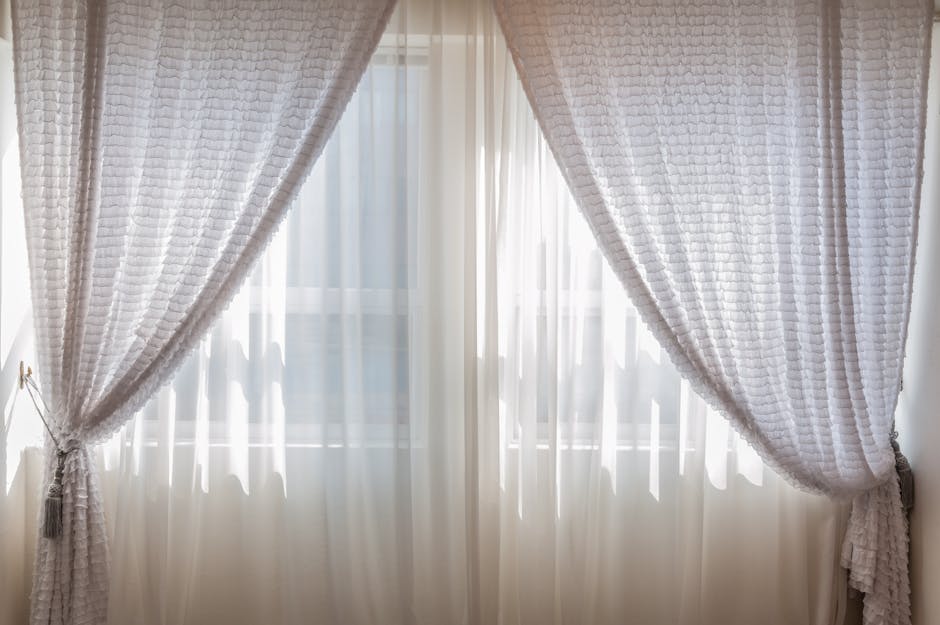
Finally, always test paint samples at different times of day and under all lighting conditions before committing. A little patience goes a long way toward owning a room that aligns with how you want to feel every day: calm, comfortable, and at peace.