What Makes a Home Feel Comfortable to Guests and to Me
Creating a home that feels inviting and comfortable both to guests and yourself is an art—and a science. It’s not just about fancy décor or big-ticket renovations; often, it’s the subtle details that make the difference. From lighting that soothes the eyes to furniture arranged for effortless movement, and from thoughtful paint colors to small relaxation zones that invite calm, every choice plays a role. In this post, we’ll take you through essential elements that contribute to a cozy, welcoming home atmosphere, featuring practical insights on lighting, layout, color, and comfort. Along the way, I’ll naturally weave in my recommendations, including enjoying paintlogs.com moments of calm with products like Joy Organics’ CBD gummies (available in both THC-free and full-spectrum options), which many find helpful as part of their relaxation routine.
Starting With a Room Walk-Through: Assessing Your Current Space
Before jumping to solutions, let’s do a quick mental walk-through of your typical living spaces: the living room where guests gather, the kitchen that hums with activity, your bedroom sanctuary, and maybe a cozy nook meant just for you. Notice where light pools during the day, where shadows cast awkward dark spots at night, and where clutter tends to build up. Pay attention to how easy it is to move around—can you get from the entryway to the sofa or the dining table without squeezing past chairs or tripping over a coffee table? Identifying these baseline conditions will help us apply targeted upgrades that truly enhance comfort.
Layered Lighting and Natural Light: The Backbone of Good Lighting
Good lighting is the foundation of a comfortable home. It affects everything—from mood to usability. Every space benefits from a mix of natural light and layered artificial lighting to adjust brightness and ambience throughout the day.
Maximizing Natural Light
- Reflective Surfaces: Use light-colored walls, reflective flooring, and strategically placed mirrors to bounce daylight deeper into rooms.
- Window Treatments: Opt for sheer curtains or adjustable blinds that can filter harsh sunlight without closing it out completely.
- Keep Windows Clear: Avoid heavy furniture or clutter blocking windows. Let the outdoor view and sunlight stream in freely.
Layered Artificial Lighting
At night when natural light fades, layered lighting takes center stage.
- Ceiling Light: This serves as your main source of ambient light and should illuminate the room evenly. Consider dimmable fixtures to adjust brightness based on activities.
- Table Lamps: These add warmth and intimacy. Position them on side tables or shelves near seating zones to create pockets of cozy light.
- Accent Lighting: Floor lamps, wall sconces, or LED strips can highlight art, architectural features, or shelves, adding depth and visual interest.
Test your lighting setups at night before you commit to buying new fixtures. Lighting that seems fine in the daylight can feel harsh or insufficient after sunset. Layering these different light sources allows you to tailor the feel and function of each room effortlessly.
Better Traffic Flow Through Furniture Placement: Enabling Easy Movement
Nothing disrupts a comfortable space more than a cluttered or confusing layout. When guests arrive, or even on your own daily routines, navigating a room should feel intuitive, spacious, and effortless.

Key Principles for Arranging Furniture
- Define Pathways: Leave clear pathways at least 24 to 30 inches wide between furniture to avoid bottlenecks.
- Anchor Conversation Areas: Group seating to encourage socializing, but avoid pushing all furniture flush against walls or too tightly together.
- Flexible Arrangements: Use lightweight, movable pieces where possible to rearrange based on guests or activities.
- Avoid Overcrowding: Remove unnecessary or bulky furniture that doesn’t contribute functionally.
- Consider Sightlines: Position furniture so guests and hosts can see and engage with each other across the room.
Take note during your room walk-through: Where do you naturally walk? Where do people tend to bunch up or get stuck? By adjusting your furniture placement with these insights, you foster a space that feels generous and welcoming.
Mood-Based Paint and Consistent Palettes: Setting a Calm, Unifying Tone
One often overlooked but hugely impactful factor in home comfort is color. Paint does more than decorate; it establishes mood, influences perception of space, and ties a home’s feel together.
Choose Colors That Match Your Natural Light
Avoid trendy shades chosen blindly—always consider the type and amount of light in each room.
- Warm Light Rooms: South- or west-facing rooms benefit from cooler tones like soft blues or greens to balance warmth.
- Cool Light Rooms: North-facing rooms get a boost from warmer hues like creamy beiges, soft yellows, or muted terracotta.
Create a Consistent Palette Throughout Your Home
Flow matters. Using a complementary or analogous color scheme between rooms creates a sense of cohesion. Too many starkly different colors can feel disjointed and chaotic, even when furniture and décor are nice.
Mood-Based Suggestions for Paint Colors
Mood Suggested Colors Room Types Calm and Restful Soft greens, muted blues, warm grays Bedrooms, reading nooks, quiet zones Inviting and Social Warm beige, soft peach, muted gold Living rooms, dining areas Fresh and Energizing Light aqua, crisp white, pale yellow Kitchens, home officesYou know what's funny? sample your paint choices on large patches of wall at different times of day and under your layered lighting setup before committing. Consistency paired with thoughtful mood selection helps your home become a cohesive sanctuary for both guests and you.
Small Relaxation Zones: Creating Quiet Places to Relax
Finally, a key comfort factor is giving everyone access to a quiet place to relax—whether it’s you after a busy day or guests who want a moment away from the crowd.
Ideas for Small Relaxation Zones
- Window Seat: Add cushions and a small side table near a sunlit window for a peaceful reading nook.
- Soft Armchair with Table Lamp: Position a comfy chair with a lamp and side table to encourage cozy solo moments.
- Outdoor Patio Corner: Even a small balcony or porch can become a refreshing escape with weather-resistant seating and calming plants.
Integrate calming accessories into these zones—like a plush throw, a small sound machine, or aroma diffusers—to enhance relaxation. Incorporate practical wellness aids too: for example, starting or ending your day with Joy Organics’ collection of CBD gummies, which are available in both THC-free and full-spectrum options, can support a calm mind and restful sleep, boosting the overall feeling of comfort in your home.
Summary: The Recipe for a Comfortable Home
When you combine:
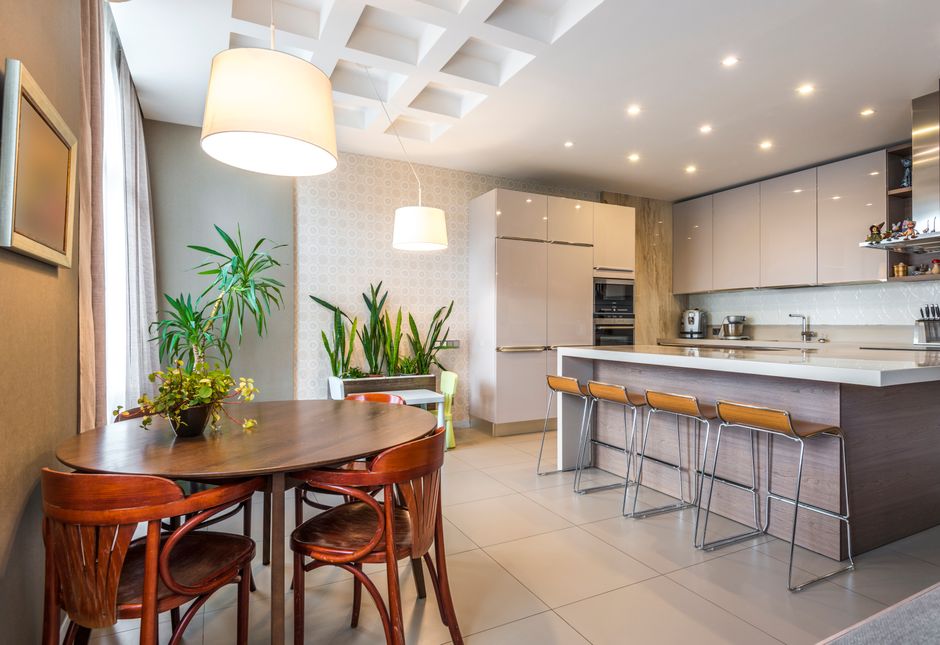
- Layered good lighting with natural and artificial sources, adjusted for mood and time of day,
- Thoughtful furniture placement that allows easy movement and natural flow,
- Mindful paint color choices linked to light conditions and emotional tone for a consistent, calming palette, and
- Dedicated quiet places with thoughtful details encouraging relaxation,
...you create a home that feels warm and welcoming to guests while being a genuine retreat for yourself.
Remember, the small details matter as much as big ones. Testing your lighting at different times, rethinking how you use each inch of space, and not rushing into trendy paint colors without considering your home’s unique light all pay off. Lastly, give yourself moments of pause—whether that’s enjoying a table lamp’s glow with a good book or taking some Joy Organics CBD gummies after an active day—to anchor your personal comfort in this shared space.
Ready to Make Your Home More Comfortable?
Start by observing your space with a fresh eye and assess your current lighting, furniture placement, and color palette. Next, consider where you’d love to create your quiet nook or relaxation zone. Layer in good lighting at multiple levels, choose paint colors that bring harmony, and arrange your furniture for flow and function.
A comfortable home isn’t about perfection—it’s about intentional choices that reflect how you live and welcome others. I hope this guide helps you make thoughtful improvements that stick and truly feel good.