Sconces vs Lighted Mirrors: Which Looks Less Cluttered on Your Bathroom Wall?
When designing a bathroom that balances style and function, nothing influences the vibe quite like the lighting choices around your vanity. For years, bathroom sconces on either side of a mirror were the go-to for flattering, shadow-minimizing illumination. Then came the rise of illuminated bathroom mirrors, which promise a sleek, modern alternative. But when it comes to achieving a clean vanity wall that feels clutter-free and elegant, which lighting setup truly wins?
In this post, we'll dive deep into the pros and cons https://cleaneverycorner.com/how-to-plan-lighting-for-a-long-vanity-with-two-vessel-sinks/ of bathroom sconces versus lighted mirrors, discuss different LED lighting methods, and explore how wall materials and long vanity layouts affect your overall look. We’ll share insights from industry leaders such as Homedit and LED Mirror World (ledmirrorworld.co.uk), and even touch on how feedback from Google Preferred Sources, Twitter, and Facebook shapes current trends.
The Classic Bathroom Sconce Setup
Few fixtures evoke the traditional charm of the bathroom sconce. Placed symmetrically on either side of a mirror, sconces aim to cast even, face-flattering light with minimal shadows. This design has worked well for decades, especially with warm-toned bulbs and soft finishes.
Advantages of Bathroom Sconces
- Balanced Light: Positioned at eye level, sconces reduce shadows on the face better than single overhead lights.
- Decorative Touch: Offers an opportunity to introduce texture, pattern, or engaging shapes beside the mirror.
- Separate Lighting Control: Sconces can be dimmed or turned off independently of ceiling lights.
The Downside: More Visual Clutter
Here’s where it gets tricky. While sconces do a fantastic job illuminating your face, they introduce extra objects protruding from your already populated bathroom wall. In smaller or long vanities, multiple sconces (especially bulky or ornate ones) can create visual clutter.
Their hardware and shades interrupt the the surface around the mirror, breaking up what could otherwise be a smooth, continuous wall. This effect can be magnified if your wall material — such as richly veined stone or wood with a complex grain — is meant to be a design feature, as multiple fixtures compete for attention instead of letting the material shine.
For example, Homedit illuminated bathroom mirror has featured projects where sconces, while beautiful in photos, felt harsh in reality because the shadows they cast onto textured stone appeared too busy, disrupting calm bathroom atmospheres.
Illuminated Bathroom Mirrors: The Minimalist Gamechanger
Enter the illuminated bathroom mirror. These mirrors integrate LED lighting either as backlighting, edge lighting, or in-glass light lines, replacing traditional vanity light bars and sconces altogether.
Popular brands like LED Mirror World have expanded this market on ledmirrorworld.co.uk, offering elegant solutions that focus on clean lines and functional illumination.
Types of LED Lighting in Mirrors
Lighting Type How It Works Wall Impact Visual Clutter Level Backlighting LEDs placed behind mirror edges create a soft halo glow on the wall. The light softly washes onto paint, tile, wood, or stone behind the mirror, creating a floating effect. Very Low – seamless, no extra hardware visible. Edge Lighting LEDs shine through the glass edge, lighting the mirror surface and surroundings. Light reflects onto wall surfaces but with slightly sharper lines compared to backlighting. Low – maintains minimalist presence, though some hardware is visible. In-Glass Light Lines Thin LED strips embedded or etched within the mirror glass create glowing lines or patterns. These lines can emphasize mirror shapes but do add design features themselves. Medium – more visual elements but still sleek compared to sconces.Why Illuminated Mirrors Look Cleaner
When installed thoughtfully, illuminated mirrors reduce clutter by merging the fixture and mirror into one unified element. The effect is often a clean vanity wall with fewer edges, shades, or switches interrupting the line of sight. This works especially well on walls faced with solid paint or large-format tiles, where the delicate light washing enhances texture or color subtly.
On textured surfaces like wood or stone, backlit mirrors shine (literally) by allowing light to graze the wall, highlighting natural veins or grains without competition from bulky hardware. This interplay crafts a serene, spa-like ambiance that bathroom sconces struggle to achieve without casting harsh shadows. Insights from Google Preferred Sources concur that lighting which gently interacts with surfaces harmonizes the entire space.
Long Vanity Layouts: The Challenge of Multiple Mirrors and Lights
Long bathroom vanities — think double or triple sinks — raise unique considerations. Traditionally, multiple mirrors paired with pairs of sconces multiply wall clutter and complexity. This setup can get visually noisy, especially in tight quarters.
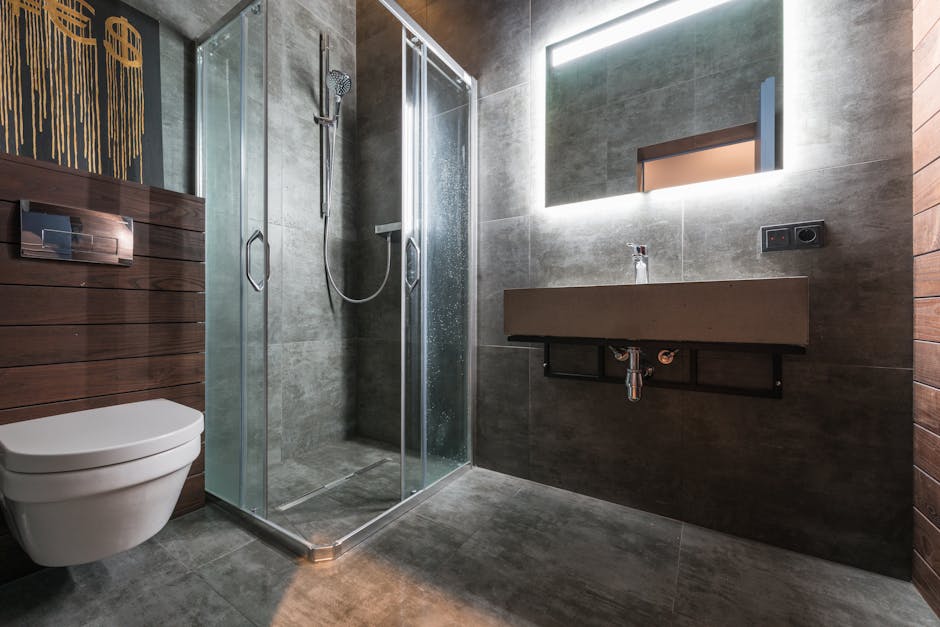
Many designers today recommend installing a single, large illuminated mirror or multiple slim LED mirrors spaced evenly across the vanity. The continuous light source provides uniform illumination without adding repetitive hardware. This approach preserves wall continuity and can even make the space appear larger.
One caveat: if using multiple illuminated mirrors, it’s critical to keep their design consistent and scale-appropriate to avoid a "pattern overload." Here, LED Mirror World offers modular options that allow customization while maintaining a clean aesthetic.
Real-World Considerations from Twitter and Facebook Communities
Lighting discussions on social media platforms like Twitter and Facebook provide valuable perspectives from homeowners and professionals who have lived through renovation challenges:
- On Twitter: Many users appreciate the minimalist look of illuminated mirrors but warn that some edge-lit mirrors can emit light that feels overly blue or clinical when not paired with warm wall colors or smart bulb choices. A frequent tip is to try before you buy, as photos online can look "too perfect."
- On Facebook Groups: Homeowners often praise sconces for adding personality and warmth, especially vintage or artisan-crafted versions. However, they note that sconces demand precise placement to avoid uneven light and clutter. Many recommend illuminated mirrors for ease of installation and maintenance.
Expert Tips for Choosing Between Sconces and Lighted Mirrors
- Evaluate Your Wall Surface: On clean paint or large-format tile, illuminated mirrors can let the wall color glow subtly. On richly textured stone or wood, consider backlit mirrors that allow for gentle light washing rather than direct fixture shadows.
- Consider Vanity Length: Long vanities benefit from a continuous or modular illuminated mirror system to avoid multiplying fixture clutter across the wall.
- Think About Maintenance: Sconces mean more fixtures to dust and replace bulbs, whereas LED mirrors are typically sealed units with longer-lasting light sources.
- Match Light Tone: Avoid overly blue LEDs marketed as "luxury." Warmer whites (2700K-3000K) feel inviting and flatter skin in the bathroom.
- Test Placement Before Installation: Use temporary setups or visit showroom displays to see how lighting falls on your wall material and your face.
Conclusion: The Less Cluttered Choice for Your Bathroom
Both bathroom sconces and illuminated bathroom mirrors have their merits, but if the priority is a clean vanity wall with minimal visual clutter, illuminated mirrors generally take the lead. Their ability to unify light source and reflective surface while softly washing light onto surrounding walls offers a sleek modern vibe that highlights bathroom finishes elegantly.

That said, sconces maintain timeless appeal and personality, especially when chosen carefully with wall material and space constraints in mind.
The rise of LED mirror technology—championed by sources like LED Mirror World and analyzed by expert platforms such as Homedit—means homeowners now have more options for personalized, clutter-free lighting solutions.
Whichever route you choose, remember to consider your wall material, vanity size, and lighting quality over flashy features. After all, good lighting is less about how much hardware is on the wall and more about how the light makes the space and you feel.