Pioneer Quantum Ultra 23 SEER2: Why People Still Pick Hyper Heat Models for Cold Climate Heating
If you're considering a mini split system for cold climate heating, you've likely come across the Pioneer Quantum Ultra 23 SEER2. At a glance, it offers an attractive combination of high efficiency and cold-weather capabilities. However, there’s an ongoing debate among homeowners and HVAC DIYers about why many still choose hyper heat models even when a 23 SEER2 system is on the table.
In this post, we’ll dive into what makes the Pioneer Quantum Ultra stand out, touch on comparable systems from Zone Air, MRCOOL, and Cooper & Hunter, and unpack the practical realities of installing these units yourself — including line set design, leak prevention, and electrical considerations that are often overlooked. Plus, we'll discuss why cold-climate performance to -22°F and heating priorities influence the choice more than just efficiency ratings.
What Is the Pioneer Quantum Ultra 23 SEER2?
The Pioneer Quantum Ultra series is an impressive lineup rated at 23 SEER2, positioning it among the most energy-efficient mini splits available. The “23 SEER2” rating reflects compliance with the latest Department of Energy testing standards for heating, ventilation, and air conditioning equipment, offering a more precise measure of true seasonal efficiency compared to older SEER metrics.
Key features include:
- High SEER2 Efficiency: 23 SEER2 means less electricity consumed for cooling.
- Low Ambient Performance: Designed to continue operating effectively down to -22°F.
- Plug-and-Play Options: Some split systems from Zone Air and MRCOOL even come with 115V plug-in capabilities.
As of 2024, a 12,000 BTU Zone Air DIY system comparable to Pioneer Quantum Ultra clocks in at around $2,049.99, making it competitive in the high-efficiency segment.
Why Does Cold Climate Heating Priority Still Mean Hyper Heat Models?
Efficiency numbers like SEER2 are great, but in cold climates, heating capacity and reliability below freezing become critical decision factors. Here is why hyper heat models often edge out the Quantum Ultra in the cold:
-22°F Operation Doesn't Always Equal Full Power
Manufacturers often tout operation down to -22°F, but this typically means the system can push some heat at that temperature, not that it's delivering full rated BTUs. The reality is output drops, sometimes dramatically, as ambient temperature hits extreme lows.
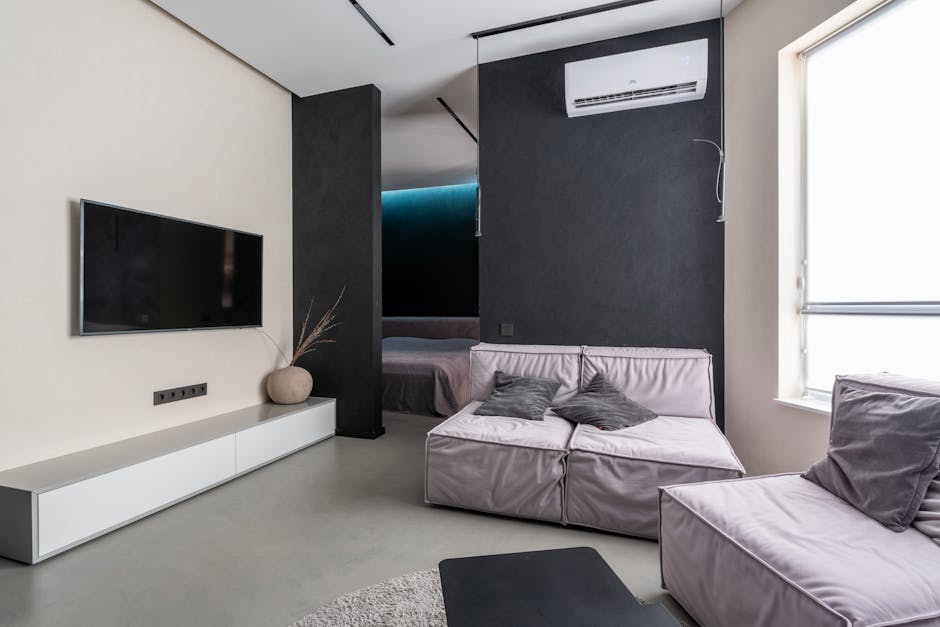
Hyper heat models from Cooper & Hunter or MRCOOL mini split -22°F rating use enhanced compressors and defrost cycles, helping maintain stronger heat output at single-digit and sub-zero temps. For a homeowner prioritizing reliable heat in harsh winters, these models provide peace of mind.
Heating Priority Matters More Than Cooling Efficiency
If you live where winter dominates your energy bills, the hyper heat system’s superior low ambient heating outweighs a few extra points in SEER2 score. It’s common to see systems rated 18-20 SEER but designed to deliver maximum heat capacity at -15°F to -22°F — while ultra-high SEER2 units focus more on cooling season efficiency.
DIY vs Pro Install Reality: Don't Underestimate the Hidden Costs
Though DIY-friendly units like those from Zone Air and MRCOOL advertise easy installs with plug-in power options, remember this isn’t a simple “set it and forget it” project. Even if you pick a $2,049.99 system, the total costs and challenges may inflate quickly.
Electrical Considerations: 115V Plug-In vs 230V Hardwired
- 115V Plug-In Models: Many DIY-friendly mini splits operate on standard 115V circuits, which can simplify installation for those wanting to avoid hiring an electrician.
- 230V Hardwired Models: Higher capacity units or those installed for maximum efficiency often require 230V hardwiring — a job best left to licensed professionals for safety and code compliance.
I always recommend homeowners ensure proper permits and inspections are part of the project — a “DIY” label doesn’t mean you can skip professional help for electrical work. To avoid over-tightening or under-tightening flare fittings, always use a torque wrench designed for HVAC quick connects, and perform a thorough soapy water leak check after refrigerant charging.
Line Set Design and Leak Prevention: The Invisible Cost and Complexity
One of the most overlooked challenges in mini split installations is the line set — the copper refrigerant tubing running between the indoor and outdoor units. Line set length limits, fittings, and insulation quality affect performance and reliability.
- Line Set Length Reality: Manufacturers specify maximum lengths and elevation differences, but never forget to account for extra footage like coils, couplers, and routing around obstructions.
- Leak Prevention: Proper torque wrench use on flare fittings and multiple leak checks using soapy water or electronic leak detectors help avoid refrigerant loss.
- Line Hide Considerations: Concealing line sets neatly can add to costs, whether for DIY decorative trims or professional line hide solutions.
Underestimating these factors can turn a straightforward install into a frustrating chase for leak sources or suboptimal heat delivery.
Comparing Pioneer Quantum Ultra with Zone Air, MRCOOL, and Cooper & Hunter
Feature Pioneer Quantum Ultra 23 SEER2 Zone Air MRCOOL Cooper & Hunter SEER2 Rating 23 Up to 21 Up to 22 18-20 (focus on hyper heat) Cold Climate Heating Rated to -22°F (limited full capacity) Good down to -15°F, select models to -22°F Strong hyper heat options Specialized hyper heat models for extreme cold DIY Options Mostly pro install recommended DIY-friendly 115V plug-in models around $2,049.99 (12K) Plug-and-play kits Pro install recommended Electrical Requirements 230V hardwired 115V plug-in (some models) 115V plug-in kits 230V hardwiredKey Takeaways for Cold Climate Mini Split Buyers
- Cold climate heating priority often trumps SEER2 scores. Hyper heat models provide more reliable heat output at very low temperatures.
- DIY installs require more than just a nice price tag. Proper electrical work, torque wrench use on flare fittings, and diligent soapy water leak checks are musts.
- Line set design and length affect performance and leak risks. Factor in extra tubing for coils, couplers, and route complexity before finalizing equipment size and model.
- 115V plug-in models simplify installs but usually max out around 12K BTU capacity. Larger rooms or harsher climates likely require 230V hardwired setups.
- Choosing between Pioneer Quantum Ultra and other brands depends on your climate, installation skills, and heating priorities.
Conclusion
The Pioneer Quantum Ultra 23 SEER2 offers a compelling blend of high efficiency and cold-weather operation down to -22°F, but it’s not necessarily the best fit for every cold-climate homeowner. Hyper heat models from companies like MRCOOL and Cooper & Hunter remain popular because they prioritize consistent, high-capacity heating during frigid winter conditions — something ultra-high SEER2 models don’t always guarantee at the lowest temps.
If you're shopping for a mini split, consider your local climate, your comfort priority in winter, and your realistic DIY abilities (including understanding when hiring a pro electrician is non-negotiable). Keep your tools handy — especially that torque wrench and a bottle of soapy water — and don’t forget the hidden costs lurking behind line set complexity and permit requirements. After all, a well-planned install is the difference between a warm home and a headache-chasing winter.