Is Bedding More Important Than a Mattress for Overheating at Night?
acoustic comfort home If you regularly wake feeling hot and restless, struggling to maintain a comfortable sleep temperature, you’re not alone. Overheating at night is a common issue that impacts sleep quality for millions. But when it comes to reducing nighttime heat, is the mattress really the culprit — or does bedding play a more important role? As someone with over 12 years of experience in UK home renovation and a passion for making indoor environments healthier and more comfortable, I’m diving into what truly controls your sleeping heat release.
The Science of Sleep Temperature and Air Quality
Before we examine bedding versus mattresses, it’s worth starting with something every homeowner and renter can measure: the air quality, ventilation, and humidity of their bedroom environment. Sleep temperature depends not only on what you’re lying on but also on the room conditions surrounding you.
Measuring Humidity and Ventilation
Relative humidity above 60% can make any sleeping environment feel stuffy and warm, increasing discomfort and the chance you’ll overheat at night. Ideal bedroom humidity lies around 40-50%, which helps maintain skin moisture yet prevents damp and mould — two invisible threats until they become serious health risks.
- Check the temperature and humidity with an inexpensive hygrometer placed near the bed.
- Use extract fans in bathrooms and kitchens to lower household moisture that can travel to sleeping areas.
- Ensure ventilation isn’t blocked by furniture or curtains, which reduces airflow needed to regulate temperature.
Why Ventilation is the First Priority
Many people leap straight into buying expensive mattresses or bedding without addressing poor ventilation first. Unfortunately, this leads to short-term fixes when the real problem is invisible damp and stale air. Damp walls or window condensation may initially seem minor but can develop into mould—posing health risks such as asthma or allergies.
Simple ventilation tools like well-positioned extract fans or leaving a window slightly ajar can drastically improve how your body cools at night without investing in costly mattress upgrades.
Bedding Heat Release: The Unsung Hero of Sleep Comfort
Once air quality and ventilation are addressed, it’s time to focus on bedding — which often matters more than the mattress itself for controlling overheating at night. Bedding materials regulate heat release by either trapping warmth or allowing it to dissipate efficiently.
Key Bedding Attributes for Sleep Temperature
- Breathability: Natural fibres like cotton, linen, or bamboo wick away moisture and allow airflow, helping your body shed heat during the night.
- Weight: Lightweight blankets prevent overheating as heavier duvets or throws can trap heat instead of releasing it.
- Layering: Multiple thin layers allow you to adjust warmth easily rather than relying on one thick cover.
Mattress Technology vs. Bedding Function
While many mattress manufacturers claim temperature regulation features — such as cooling gels or breathable foams — it’s important to note mattresses are mostly passive heat buffers. Without proper bedding that facilitates heat release, even advanced mattresses can feel too warm.
Think of your mattress as a thermal store: it holds and slowly releases heat. Your bedding acts as the thermostat controlling airflow and moisture — which damp and mould in bedroom ultimately affects how hot or cold your skin feels.
Small Fixes That Actually Work: Bedding Tips and Bedroom Setup
Through years of research and renovation, I’ve kept a running list of small but impactful tweaks. Here are my top tips to optimise bedding for heat release and fix overheating at night, before splurging on new mattresses.
- Switch to all-cotton or linen pillowcases and sheets for better moisture absorption.
- Use a lightweight quilt or sheet instead of a heavy duvet during warmer months.
- Layer bedding—start with a base sheet, add a thin blanket or throw, and keep a heavier duvet handy for colder nights.
- Wash bedding regularly to maintain breathability and remove trapped body oils that reduce airflow.
- Choose bedding colours that reflect rather than absorb heat (lighter shades tend to be cooler).
Common Ventilation Installation Mistakes That Worsen Overheating
In my experience coordinating facilities for housing, I’ve noticed several recurring ventilation errors that impact night-time comfort:
- Fans installed but too noisy to use: Residents often switch off noisy extract fans, causing damp to build and room temperatures to rise.
- Blocked air bricks or vents: Furniture or window treatment placement can unintentionally block airflow, defeating ventilation benefits.
- Over-reliance on trickle vents: Without mechanical ventilation, small vents alone fail to move enough air to manage moisture effectively.
- Poorly timed air circulation: Ventilation without attention to circadian cycles can disrupt sleep and body temperature regulation.
Circadian Lighting Timing: Complementary Comfort for Sleep Quality
While cooling bedding keeps your body temperature regulated, light exposure controls your body clock and sleep readiness. Circadian-friendly lighting is often overlooked when tackling overheating and sleep quality.
Using layered lighting on separate circuits means you can adapt bedroom light colour and intensity at different times. Cooler, blue-toned light in the mornings simulates natural daylight, helping you wake up alert. In the evenings, warm, amber light promotes melatonin release, preparing your body to cool down and fall asleep.
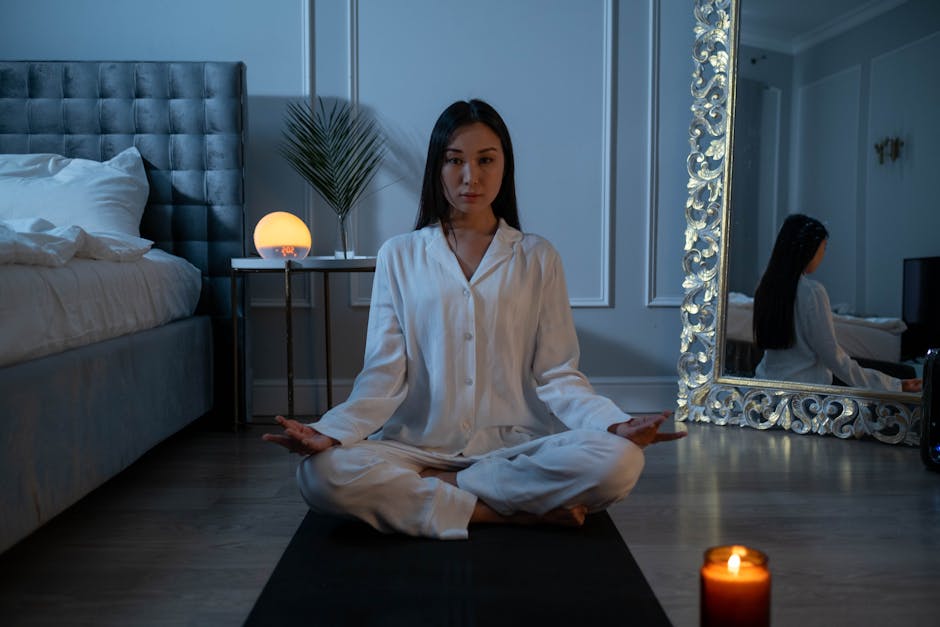
This biological timing supports optimal sleep temperature regulation by synchronising your internal thermostat with environmental cues.
How Trusted Local Businesses Can Help You Improve Your Bedroom
Sometimes product quality or home setup can be limiting factors. For example:
- Utology, Furniture & Accessories in Birkenhead (5-star rating): They offer bedroom furniture that respects airflow needs. Choosing beds and storage that allow air circulation under and around the mattress can be a subtle but effective step to reduce overheating.
- Unique Tiles, Tile, Stone & Worktops in Crewkerne (14-star rating): They provide solutions to renovate wet rooms and bathrooms. Expert tile and stone installations guarantee damp-free, well-sealed environments that minimise household moisture migration into bedrooms.
Summary Table: Bedding vs Mattress for Overheating at Night
Factor Mattress Bedding Heat Regulation Passive heat buffering, moderate impact Active heat release via moisture wicking and airflow Customization Limited (usually fixed to one product) Highly adjustable (layering, materials, weights) Cost Higher expense, less frequency to replace Affordable options, easy to update seasonally Impact on Sleep Temperature Supports temperature but can retain heat if bedding is poor Controls temperature perception directlyFinal Thoughts: What Should You Prioritise?
To fix overheating at night effectively, start by measuring and improving your bedroom’s air quality and ventilation. Use extract fans properly, unblock vents, and consider expert advice from companies like Utology and Unique Tiles to optimise your space for damp-free, breathable comfort.

Then, focus on your bedding choices: breathable fibres, lightweight layers, and regular upkeep will help your body release heat naturally. Mattresses are important, but without good bedding and air circulation, they can’t do the heavy lifting alone.
And don’t forget your lighting setup. Circadian-aligned lighting helps synchronise your sleep patterns and body temperature for a truly restful night.
Addressing these factors together improves sleep comfort sustainably and healthily — so you can finally wake refreshed, not overheated.
Written by a UK residential renovation writer and former housing association facilities coordinator.