How Do I Make My Room Genuinely Dark Without Changing the Whole Window?
If you've ever tried to get a good night's sleep or enjoy a movie during the day, you'll know light creeping around your curtains or blinds can be incredibly frustrating. Making your room genuinely dark isn't just about comfort; it affects your circadian rhythm, sleep quality, and overall health. But what if you want to achieve this without the hassle and expense of changing the whole window?
From blocking light leaks to ensuring your room remains well-ventilated and mould-free, this guide covers small fixes that actually work. Plus, with tips on layered lighting and ventilation—using tools like extract fans—we'll help you strike the perfect balance between darkness and air quality.
Start with What You Can Measure: Air Quality and Ventilation
Before diving into blackout curtains and sealing blind edges, let's talk about air. It might seem unrelated, but ventilation is critical when trying to create a dark, comfortable room. Many people assume sealing windows tightly to block light automatically makes a healthy space—but sealing without considering airflow can lead to damp, mould, and poor air quality.
Why Does Ventilation Matter?
Every person exhales moisture throughout the night, and without adequate ventilation, this moisture accumulates. High indoor humidity (above 60%) sets the stage for damp and mould—an invisible problem until it becomes very serious. Mould spores can increase respiratory issues and allergic reactions. Proper ventilation is your first line of defence.
Common Ventilation Installation Mistakes
- Over-reliance on sealing: Sealing gaps to block light leaks is good—but doing it indiscriminately without mechanical ventilation traps moisture.
- No extract fans or noisy fans: Some homes have extract fans installed but are too loud to use regularly. This defeats the purpose.
- Ignoring layered lighting impacts: Lighting installed without considering its effect on air temperature or occupant comfort can affect ventilation needs.
Tip: Effective ventilation often uses extract fans with quiet motors, which run continuously or on timers to remove moist air while allowing fresh air in via trickle vents or other controlled inlets.
How to Block Light Leaks Without Changing Your Windows
Okay, so you want darkness—truly pitch-black conditions—but you don't want to replace your window. Here are small fixes that actually work, starting with the most common offenders: leaks around curtains and blinds.
Seal Blind Edges
Most blinds and curtains, even those advertised as blackout, let in plenty of light around the edges. This light leakage is often overlooked because it’s less about the fabric’s opacity and more about how it's installed.

- Use blackout lining: Adding a blackout lining behind curtains enhances opacity and helps insulate against temperature changes.
- Install side channels: Consider attaching narrow strips or channels along the window frame edges—these block light escaping from the sides and help seal blind edges tightly.
- Fit a pelmet or valance: Blocking light from above can be just as important as sealing sides.
Together, these steps can dramatically reduce light leaks without changing your window.
Choose the Right Materials and Accessories
Not all blackout curtains or blinds are equal. To enhance your room's darkness, opt for products with proven blackout linings. For furniture and accessories that complement your dark space, consider consulting local specialists such as Utology in Birkenhead, rated 5 for quality and design. Their insights can help balance aesthetics with function.
Layered Lighting on Separate Circuits: Control Your Room’s Mood and Health
Once you've blocked out external light, it's time to think about internal lighting—the double-edged sword which can either support or disrupt your circadian rhythm.
Circadian Lighting Timing
Our bodies are programmed to respond to light temperature:
- Cool, blue-enriched light in the morning helps wake you up and boosts alertness.
- Warm, amber tones in the evening encourage relaxation and prepare you for sleep.
Implementing layered lighting on separate circuits makes it easy to control these conditions. For example, brighter cool lights can be on one circuit for morning use, while dim, warm lights on another prepare your room for winding down.
This wiring flexibility contributes to better sleep, improved mood, and a room that's genuinely functional without ever changing a thing about your window.
Don’t Forget the Walls: Tiles, Stone & Worktops Can Help
Believe it or not, your room's surfaces also influence light and mood. Reflective materials tend to bounce light around, https://www.homify.co.uk/ideabooks/9949289/how-to-design-a-home-that-helps-you-rest-and-recover which might counteract your efforts for darkness.
For rooms like bedrooms or dens, where you want calm and warmth, matte or softly textured surfaces work best. If you're thinking about updating surfaces—like a bookshelf base or window sill—check out Unique Tiles in Crewkerne, rated 14, for tile, stone, and worktop options designed to reduce light reflection and support your dark room vibe.
Small Fixes That Actually Work: Summary Table
Fix Effect on Darkness Additional Benefits Notes Seal blind edges with side channels Blocks light leaks from sides Improves insulation Easy DIY or hire a professional Add blackout lining to existing curtains Blocks light through fabric Reduces room temperature swings Available separately and easy to install Use quiet extract fans on timers Maintains air quality while sealed Prevents damp and mould Choose fans designed for low noise Install layered lighting on separate circuits Controls room lighting moods Supports healthy circadian rhythm Consult electrician for safe setup Choose matte tiles or surfaces Prevents unwanted light reflection Enhances room calmness Coordinate with local suppliers like Unique TilesBeware Invisible Problems: Damp and Mould Are Health Risks
One last warning: when aiming for complete blackout, don’t overlook ventilation. Many people blame tenants for damp and mould, but often it’s poor installation or inadequate ventilation that’s to blame.
Visible mould usually means moisture has been building up for a long time. If you measure relative humidity indoors regularly (try to keep it below 60%), and use quiet extract fans, you can prevent mould before it starts.
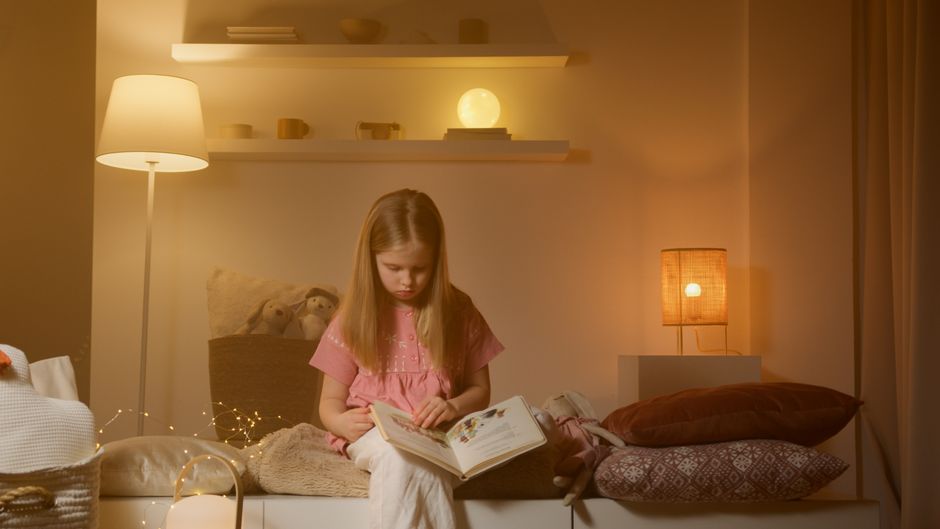
The goal is a genuinely dark room that is also healthy and comfortable—not one sealed tight enough to trap moisture and damage your walls or your health.
Final Thoughts
Balancing darkness, ventilation, and healthy air quality isn’t about one big change, especially if replacing the entire window isn’t an option. Instead, focus on multiple small fixes:
- Seal blind edges carefully and use blackout lining.
- Incorporate quiet extract fans to maintain air quality.
- Use layered lighting circuits to tailor your room’s ambience and support your circadian rhythm.
- Consider surfaces that reduce unwanted reflections, using expert suppliers like Unique Tiles.
- Keep humidity in check to avoid the invisible risk of damp and mould.
By taking a holistic approach, you can enjoy the benefits of a room that’s genuinely dark, comfortable, and healthy—without the time-consuming and costly process of window replacement. For furniture or accessory ideas that support your darker room design, don’t forget to explore what Utology in Birkenhead has to offer. Their high ratings are well-earned for good reason.